Cedar of Lebanon
Cedrus libani · Pinaceae · softwood
Also known as: Lebanon cedar, Lebanese cedar, true cedar
Region: Mountains of Lebanon, Syria and Turkey; planted in parks and estates in Europe
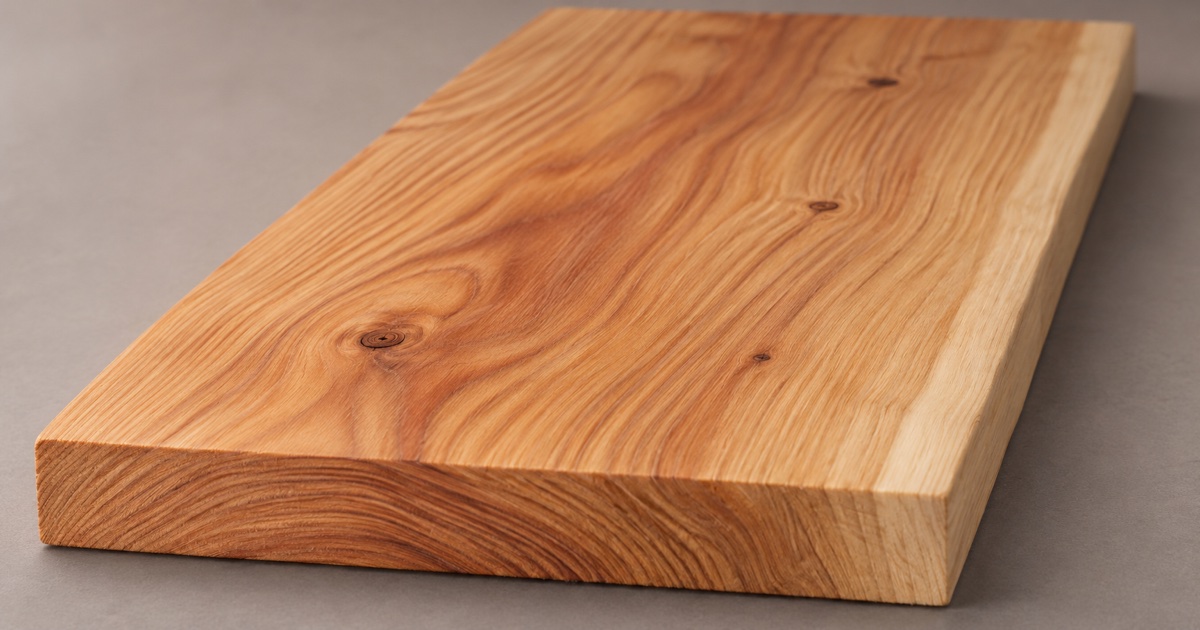
Cedar of Lebanon is a true cedar with fragrant, light brown, fairly soft wood. In the UK it is mostly available from felled park and estate trees and is used for joinery, garden furniture, gates and turning.
Health hazards
-
Respiratory irritation
Evidence: Listed by an agency
The UK HSE lists cedar of Lebanon as a cause of breathing problems and rhinitis. A 1972 case report described respiratory symptoms after only brief exposure to its dust; a later review classes this as a non-allergic (not IgE-driven) reaction.12
- Effects
- respiratory symptoms, rhinitis
- Exposure route
- inhalation
- From
- dust
-
Cancer
Evidence: Applies to all wood dust
All wood dust is classified as carcinogenic to humans, mainly linked to cancers of the nose and sinuses. This applies to this wood like every other species.3
- Effects
- nasal and sinus cancer
- Exposure route
- inhalation
- From
- dust
Not finding a hazard listed here does not mean this wood is safe. All wood dust is hazardous; see how to protect yourself.
Exposure limits
| Body | Limit | Notes |
|---|---|---|
| ACGIH TLV | 1 mg/m³ (inhalable) | source |
| UK WEL (softwood) | 5 mg/m³ | Applies to all softwood dust |
| NIOSH REL | 1 mg/m³ | Recommended limit for all wood dust |
Cancer classifications
- ACGIH: A4 source
Sources
- Health and Safety Executive. Toxic woods. Woodworking Information Sheet No 30 (Revision 1), WIS30(rev1). HSE; first published 11/2012. Withdrawn from hse.gov.uk (404 since c. Jan 2020); archived copy cited. Link
- Greenberg M. Respiratory symptoms following brief exposure to Cedar of Lebanon (Cedra libani) dust. Clin Allergy. 1972;2(3):219-224. Link
- IARC Working Group on the Evaluation of Carcinogenic Risks to Humans. Wood Dust and Formaldehyde. IARC Monographs on the Evaluation of Carcinogenic Risks to Humans, Vol. 62. Lyon: International Agency for Research on Cancer; 1995. Link
- US Occupational Safety and Health Administration. Occupational Chemical Database: Wood Dust. Last updated 06/23/2023. Link
Last reviewed .