Fir
Abies spp. · Pinaceae · softwood
Also known as: true fir, silver fir, European silver fir, balsam fir, grand fir, noble fir, white fir, SPF (spruce-pine-fir)
Region: Mountain and northern forests of Europe, Asia, North Africa and North America
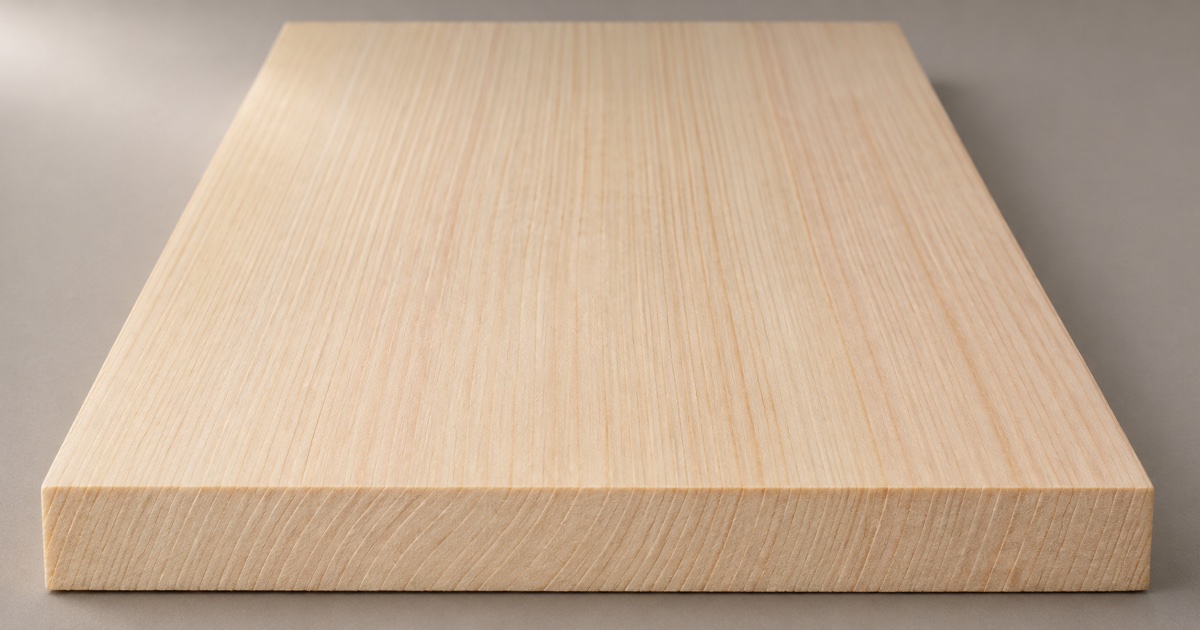
True firs give a pale, light, fairly soft wood that is sold mixed with spruce and pine as framing and general construction lumber, and used for joinery, crates and plywood. It is not the same tree as Douglas fir.
Health hazards
-
Asthma / respiratory allergy
Evidence: Reported
A review of wood allergy lists fir (Abies) among woods reported to cause occupational asthma, based on German studies of wood workers. We could not access those original studies, so this remains a reported, unconfirmed link.1
- Effects
- occupational asthma
- Exposure route
- inhalation
- From
- dust
-
Cancer
Evidence: Applies to all wood dust
All wood dust is classified as carcinogenic to humans, mainly linked to cancers of the nose and sinuses. This applies to this wood like every other species.2
- Effects
- nasal and sinus cancer
- Exposure route
- inhalation
- From
- dust
Not finding a hazard listed here does not mean this wood is safe. All wood dust is hazardous; see how to protect yourself.
Exposure limits
| Body | Limit | Notes |
|---|---|---|
| ACGIH TLV | 1 mg/m³ (inhalable) | source |
| UK WEL (softwood) | 5 mg/m³ | Applies to all softwood dust |
| NIOSH REL | 1 mg/m³ | Recommended limit for all wood dust |
Cancer classifications
- ACGIH: A4 source
Sources
- Schlünssen V, Sigsgaard T, Raulf-Heimsoth M, Kespohl S. Workplace exposure to wood dust and the prevalence of wood-specific sensitization. Allergol Select. 2018;2(1):101-110. Link
- IARC Working Group on the Evaluation of Carcinogenic Risks to Humans. Wood Dust and Formaldehyde. IARC Monographs on the Evaluation of Carcinogenic Risks to Humans, Vol. 62. Lyon: International Agency for Research on Cancer; 1995. Link
- US Occupational Safety and Health Administration. Occupational Chemical Database: Wood Dust. Last updated 06/23/2023. Link
Last reviewed .