Mansonia
Mansonia altissima · Malvaceae · hardwood
Also known as: bete, mansonia walnut
Region: West Africa
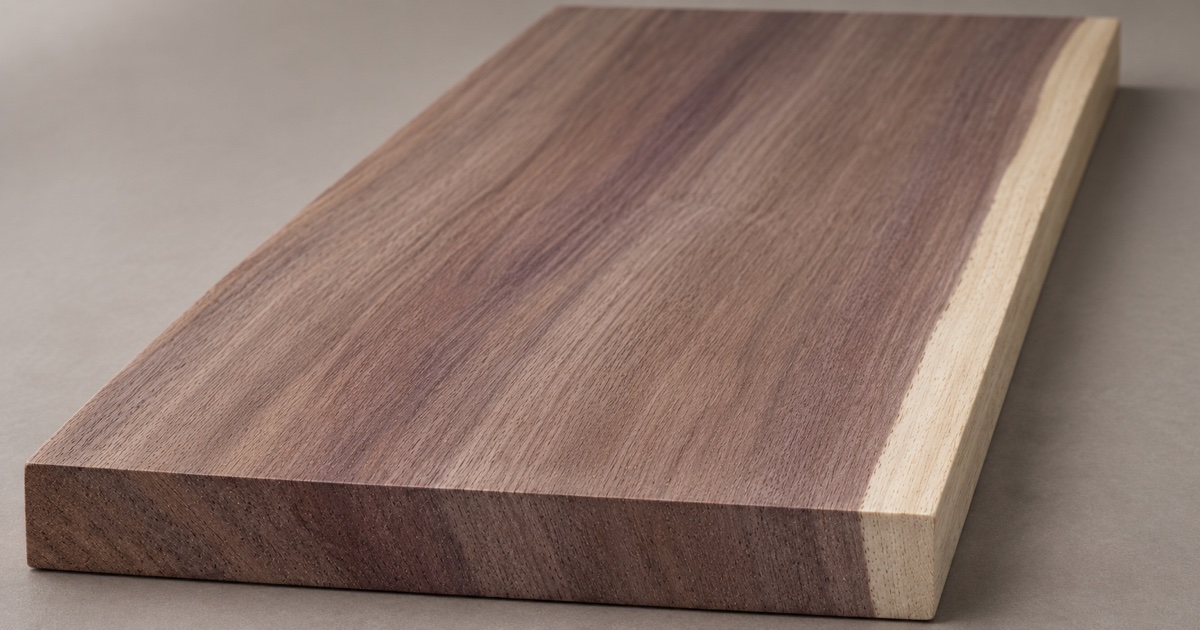
A fine-textured West African hardwood with greyish-brown to purplish-brown heartwood, often used as a walnut substitute. Used for cabinet making, furniture, turnery, and sports goods.
Health hazards
-
Heart effects
Evidence: Listed by an agency
HSE lists heart disorders among reported effects of mansonia. Laboratory studies found that water extracts of the wood were toxic to the heart in animals, and bark extracts block the same enzyme as the heart drug ouabain.123
- Effects
- heart disorders
- Exposure route
- inhalation
- From
- dust
-
Skin allergy
Evidence: Listed by an agency
HSE lists mansonia as a skin sensitiser and irritant.1
- Effects
- skin sensitization, skin irritation
- Exposure route
- skin
- From
- dust
-
Respiratory irritation
Evidence: Listed by an agency
HSE lists respiratory disorders and nose bleeds from mansonia dust, and an older Italian report describes several cases of nasal disease in exposed workers.14
- Effects
- respiratory disorders, rhinitis, nose bleeds
- Exposure route
- inhalation
- From
- dust
-
Whole-body (systemic) effects
Evidence: Listed by an agency
HSE also lists headache among reported effects of working mansonia.1
- Effects
- headache
- Exposure route
- inhalation
- From
- dust
-
Splinter infection
Evidence: Listed by an agency
HSE names mansonia as one of the woods whose splinter wounds heal slowly and often turn septic.1
- Effects
- septic splinters
- Exposure route
- splinter
-
Cancer
Evidence: Applies to all wood dust
IARC classifies all wood dust as carcinogenic to humans, chiefly through cancers of the nose and sinuses. This applies to mansonia dust as it does to any other wood.5
- Effects
- nasal and sinus cancer
- Exposure route
- inhalation
- From
- dust
Not finding a hazard listed here does not mean this wood is safe. All wood dust is hazardous; see how to protect yourself.
Exposure limits
| Body | Limit | Notes |
|---|---|---|
| ACGIH TLV | 1 mg/m³ (inhalable) | source |
| EU binding limit (hardwood) | 2 mg/m³ | Applies to all hardwood dust |
| UK WEL (hardwood) | 3 mg/m³ | Applies to all hardwood dust |
| NIOSH REL | 1 mg/m³ | Recommended limit for all wood dust |
Cancer classifications
- ACGIH: A4 source
Known compounds
- mansonones (sesquiterpene quinones): quinone compounds isolated from the wood source
Sources
- Health and Safety Executive. Toxic woods. Woodworking Information Sheet No 30 (Revision 1), WIS30(rev1). HSE; first published 11/2012. Withdrawn from hse.gov.uk (404 since c. Jan 2020); archived copy cited. Link
- Beretta C, Faustini R, Gallina G, Perini A. Cardiotoxic effects of an aqueous extract from Mansonia altissima wood. Eur J Toxicol. 1970;3(6):355-362. Link
- Guede FG, Attias J. [Inhibition of microsomal Na+ K+ ATPase of the brain by extracts of Mansonia altissima]. C R Acad Hebd Seances Acad Sci D. 1977;284(21):2159-2162. (French) Link
- Noferi A, Ferrante E. [On some cases of rhinopathy caused by Mansonia walnut wood dust (Mansonia altissima)]. Folia Allergol (Roma). 1966;13(4):304-307. (Italian) Link
- IARC Working Group on the Evaluation of Carcinogenic Risks to Humans. Wood Dust and Formaldehyde. IARC Monographs on the Evaluation of Carcinogenic Risks to Humans, Vol. 62. Lyon: International Agency for Research on Cancer; 1995. Link
- US Occupational Safety and Health Administration. Occupational Chemical Database: Wood Dust. Last updated 06/23/2023. Link
- Marini-Bettolo GB et al. On sesquiterpenoid quinones of Mansonia altissima Chev. Ann Ist Super Sanita. 1966;2(2):327-341. Link
Last reviewed .